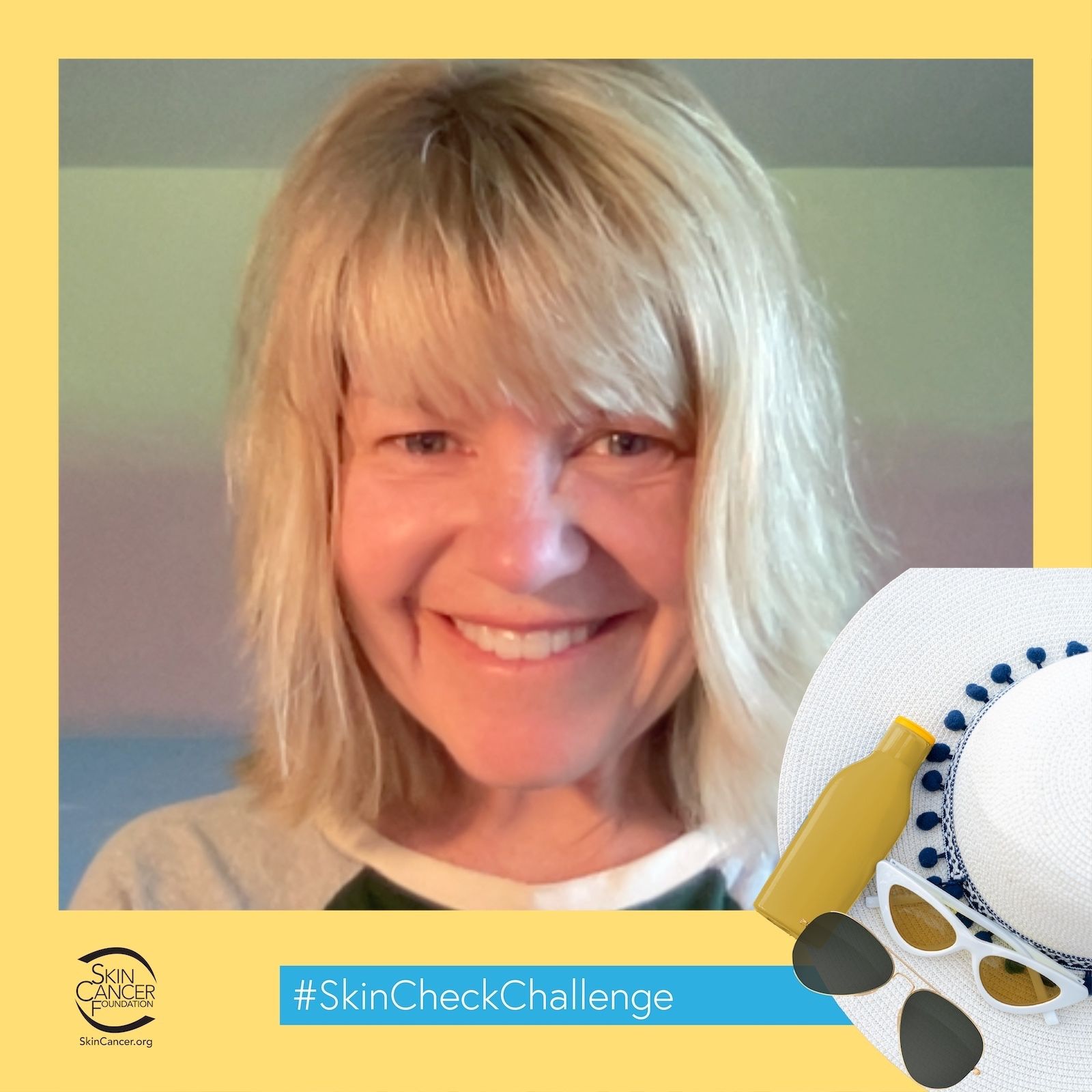
Tanning beds banned in many states and countries! Why????? May is Skin Cancer Awareness Month.
Janet Kieslich | MAY 23, 2022
share the facts
this is skin cancer
tanning beds
skip the tanning bed
skin cancer on the rise
most common cancer
most preventable cancer
beat cancer
love your skin
anti aging
anti aging skin care
spf mineral sunscreen
safe sunscreen for all skin
skin cancer awareness
may skin cancer awareness month
States Ban Indoor Tanning Beds - Do You Know the True Risks?
May is Skin Cancer Awareness Month
The Facts
Get the facts about skin cancer, the most common cancer in the United States and worldwide.
1 in 5 Americans will develop skin cancer by the age of 70.
More than 2 people die of skin cancer in the U.S. every hour.
Having 5 or more sunburns doubles your risk for melanoma.
When detected early, the 5-year survival rate for melanoma is 99 percent.
There’s more than meets the eye when it comes to skin cancer, so make sure you know all the facts. You can #SharetheFacts on social media by downloading images from our Skin Cancer Awareness Toolkit. For the latest news, visit our Press Room.
A Serious Risk Factor
The FDA has also called out indoor tanning devices as carcinogenic, and for good reason: Research shows that more people develop skin cancer because of indoor tanning than develop lung cancer because of smoking. As with smoking, a tanning habit is incredibly harmful because the damage is cumulative. Every time you step into a tanning booth, the damage builds up, creating more DNA mutations and increasing your risk of skin cancer. Indoor tanning at a young age (when many may want a bronze look for prom or spring break) compounds the damage. You don’t have to be a religious tanner to increase your risk — even sporadic tanning bed use can have serious consequences. Just one indoor tanning session before age 35 increases your risk of developing melanoma by 75 percent. Hence, some states and countries have banned indoor tanning to the 18 and younger population and some banned indoor tanning altogether!
Facts Behind Aging Skin
An estimated 90 percent of skin aging is caused by the sun.30
People who use sunscreen with an SPF of 15 or higher daily show 24 percent less skin aging than those who do not use sunscreen daily.31
Sun damage is cumulative. Only about 23 percent of lifetime exposure occurs by age 18.32
Pre-cancer or AKs or Actinic Keratoses
How to spot actinic keratoses
AKs are often more easily felt than seen. Skin may feel dry and rough to the touch, or raw, sensitive and painful, or even itchy with a pricking or burning sensation. Some AKs look and feel inflamed. In rare instances, they may bleed or develop a persistent sore, also known as an ulceration. In other cases, they come and go in the same spot.
Basal Cell Cancer on faceactinic turned to squamous cell back of handearly dark mole turned to melanomaclassic actinic keratoses or pre cancer on back of hand
General Skin Cancer Facts
In the U.S., more than 9,500 people are diagnosed with skin cancer every day. More than two people die of the disease every hour.1,2, 9
More than 5.4 million cases of nonmelanoma skin cancer were treated in over 3.3 million people in the U.S. in 2012, the most recent year new statistics were available.1
More people are diagnosed with skin cancer each year in the U.S. than all other cancers combined.2
At least one in five Americans will develop skin cancer by the age of 70.3
Actinic keratosis is the most common precancer; it affects more than 58 million Americans.4
The annual cost of treating skin cancers in the U.S. is estimated at $8.1 billion: about $4.8 billion for nonmelanoma skin cancers and $3.3 billion for melanoma.



 OfferingTree